
Labor Day weekends still feel like summer on the Metedeconk. Two weeks later, overnight lows in Brick and Toms River remind you that the furnace or heat pump has been sitting quiet since May.
That first cold snap is when neglected filters, stuck dampers, and weak igniters show up as no-heat calls. Fall service is about catching those before everyone on the shore dials the same number at once.
What a real heating tune-up covers
On a gas furnace we check ignition and flame sense, heat exchanger visual condition, inducer and pressure switches, filter and blower cleanliness, and supply/return temperatures under a call for heat.
On a heat pump we verify reversing valve operation, defrost logic, outdoor coil condition after summer salt and pollen, and that auxiliary heat stages only when they should. A heat pump that short-cycles into strip heat will inflate your bill long before anything fails outright.
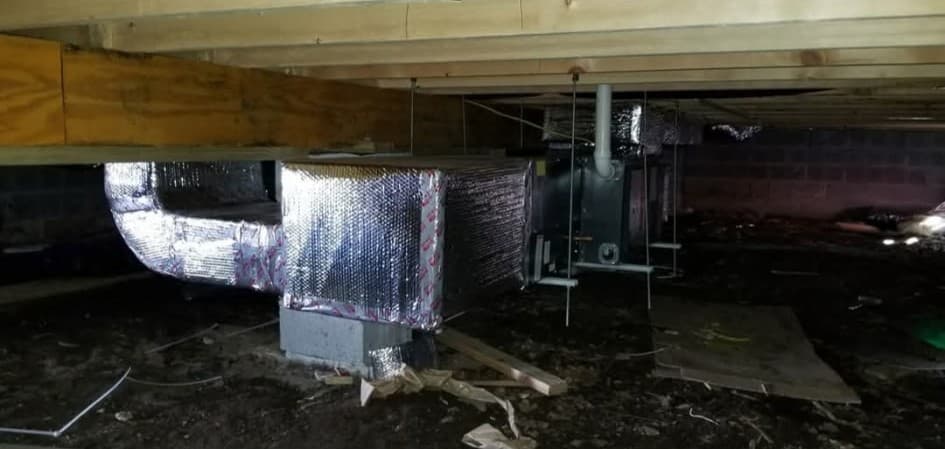
Crawl spaces and utility closets matter too: rodents chew insulation, condensate lines for dual-fuel setups clog, and return paths get blocked by storage after summer renovations.
Shore-specific winter loads
Barrier-island and bayfront homes lose heat faster through glass and leaky envelopes. Systems that coasted through mild Octobers can struggle when December winds stack against the north wall.
If last winter you lived with one cold bedroom or a heat pump that iced over and never cleared, do not wait for the first ice storm. Those patterns rarely fix themselves.
Book before routes fill
Late September through mid-October is the quiet window. Once the first hard frost hits Ocean and Atlantic counties, heating calls stack behind commercial refrigeration emergencies from the remaining tourist kitchens.
A short fall visit costs less than overnight no-heat on a holiday weekend when parts houses are closed.
Last updated August 4, 2026